
Fire hazards are a critical safety concern in any workplace. They pose risks not just to property but to lives. Ignoring fire safety can lead to devastating accidents. Taking proactive measures to recognise and reduce fire hazards to ensure a safe and secure environment.
Understanding the Risk of Fire Hazards
Fire hazards are more than just an inconvenience—they’re a serious threat. Fires can cause massive damage to property and disrupt operations. Even worse, they can put lives at risk. Employees need to feel safe at work and identifying fire risks is the first step in prevention. Employers who address these risks demonstrate their commitment to safety and responsibility. Preventing fires isn’t just about compliance; it’s about protecting people and property.
Common Fire Hazards in the Workplace
Workplaces are filled with potential fire hazards. They’re everywhere, even in places you might not expect. Here are some common culprits:
Electrical Faults
Electrical equipment is often a hidden danger. Frayed wires, overloaded circuits, or outdated systems can spark a fire. For example, an office with multiple computers and printers plugged into a single power strip is an accident waiting to happen. Routine inspections can spot these issues before they escalate.
Flammable Materials
Many industries use or store flammable materials. Paint, cleaning supplies and certain chemicals can ignite under the right conditions. In manufacturing, a tiny spark near a pile of sawdust could start a blaze. Proper storage and labelling of these materials are crucial to reducing risks.
Poor Housekeeping
A cluttered workspace is not only messy but also dangerous. Piles of paper, cardboard, or other debris can become fuel for fires. Blocking emergency exits or fire extinguishers with clutter is especially risky. Good housekeeping practices go a long way in preventing disasters.
Kitchen Equipment
Many workplaces have kitchens or break areas with appliances like microwaves and coffee makers. These are familiar sources of fire when improperly used or maintained. In a restaurant setting, a grease fire in the kitchen can spread quickly. Routine cleaning and monitoring are critical to keeping these areas safe.
Conducting a Fire Risk Assessment
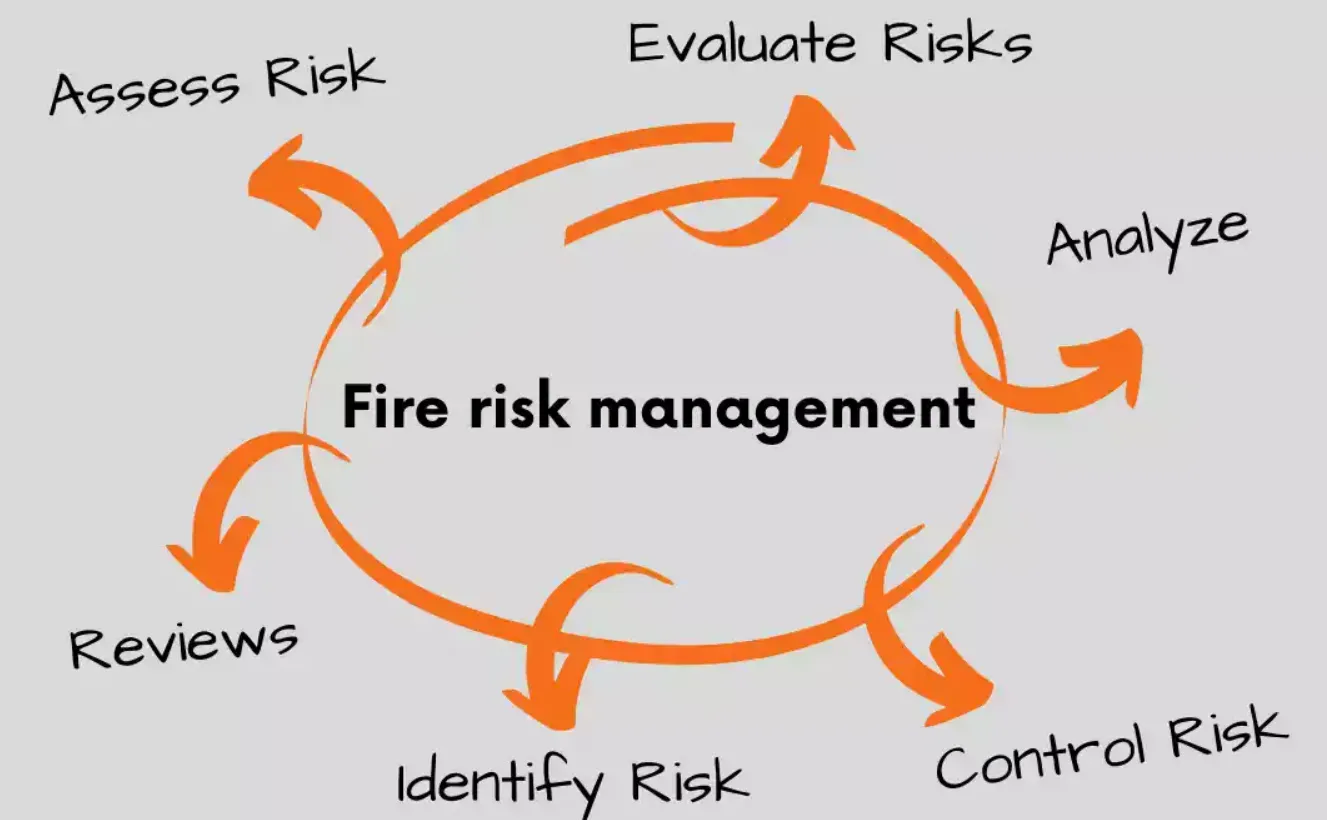
Fire risk assessments are like a safety blueprint. They help identify potential dangers and find ways to minimise risks. Here’s how to conduct one:
Step 1: Spot the Hazards
Look for anything that could cause a fire, including heat sources, flammable materials and unsafe practices. Walk through the workspace with fresh eyes—what might seem normal could actually be dangerous.
Step 2: Evaluate the Risks
Once you’ve found hazards, determine their severity. Consider the chances of a fire starting and the potential damage it could cause. For example, an overloaded outlet in a busy area is a higher risk than one in a storage room.
Step 3: Document the Findings
Write down what you’ve discovered. Include details about the hazards, the risks they pose and the steps needed to address them. This documentation helps track progress and ensures nothing is overlooked.
Step 4: Review Regularly
New equipment, processes, or layouts can create new risks. Regularly updating fire risk assessments ensures that safety measures stay effective. Look up fire risk assessment training online to find reliable resources that help you identify and address fire risks effectively.
Effective Fire Hazard Mitigation Strategies
Mitigating fire risks doesn’t have to be complicated. Small, consistent actions make a big difference. Here are some effective strategies:
- Proper Storage of Flammable Substances: Flammable liquids and gases should be stored in labelled, fire-resistant containers in designated storage areas away from heat sources.
- Regular Electrical Inspections: Hire a qualified electrician to check wiring and equipment. Replace faulty or outdated systems immediately.
- Install Fire Alarms and Extinguishers: Alarms alert people to danger, while extinguishers can stop small fires before they spread. Make sure they’re easily accessible and regularly maintained.
- Clear Emergency Exits: Blocked exits can turn a minor fire into a tragedy. Keep pathways clear at all times and ensure that exit signs are visible and well-lit.
- Use Fire-Resistant Materials: When designing or renovating workspaces, opt for fire-resistant furniture, walls and flooring. This can help contain fires and reduce damage.
The Role of Employee Training in Fire Prevention
Employees are the frontline defence against fire hazards. They need to know how to react in an emergency and how to prevent one in the first place.
- Evacuation Procedures: Knowing how to exit a building quickly and safely can save lives. Conduct practice drills regularly to ensure that everyone is familiar with the procedure.
- Using Fire Extinguishers: Not everyone knows how to use a fire extinguisher. Training employees on this skill can prevent a small fire from escalating.
- Reporting Hazards: Encourage employees tospeak up when they notice potentialfire risks. A frayed wire or a clutterd exit could go unnoticed without their input.
- Building Fire Safety Awareness: It is crucial t provide staff with essential fire prevention and advanced techniques. Programmes like fire stopping training are particularly valuable for high-risk industries like construction or manufacturing. With the proper training, employees become active participants in maintaining a safe workplace.
Conclusion:
Fire safety is everyone’s responsibility. Identifying and mitigating hazards takes effort, but the benefits are undeniable. A fire-safe workplace protects lives, property and business operations.
Leaders are crucial in fostering a culture of safety. By prioritising fire risk assessments, implementing mitigation strategies and investing in employee training, they set the standard for a secure environment.