
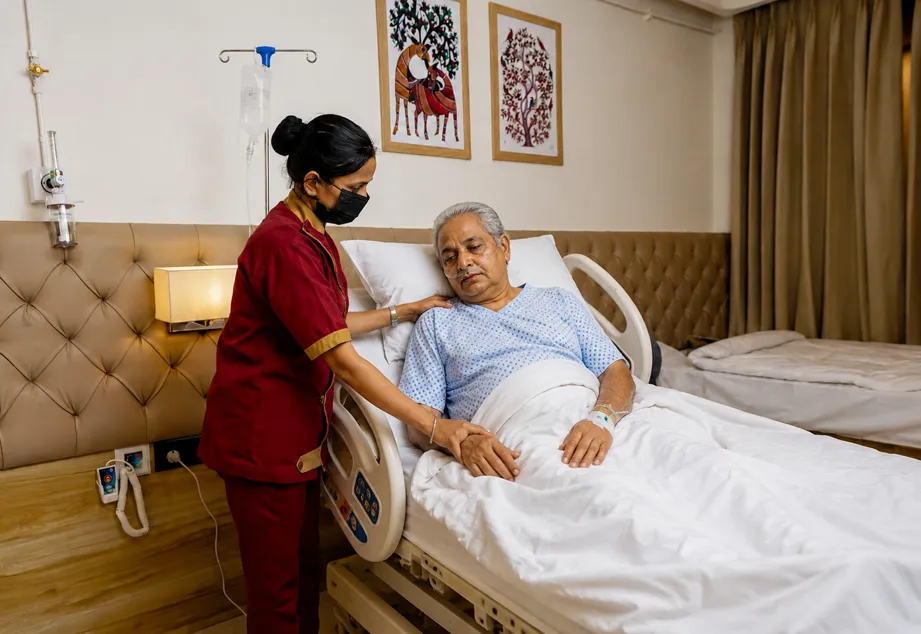
A heart attack can be one of the most life-changing medical emergencies a person experiences. While emergency treatment saves lives, the journey toward complete recovery extends far beyond the hospital. Many people believe that once they return home, the healing process is complete. However, the heart requires ongoing care, monitoring, and rehabilitation to regain strength and reduce the risk of future cardiac events.
This is where cardiac rehabilitation after heart attack plays a crucial role. It is a medically supervised recovery program designed to improve heart health, restore physical function, and help patients return to their daily routines safely. More importantly, cardiac rehabilitation empowers individuals with the knowledge and confidence to adopt healthier habits for long-term heart health.
In this blog, we’ll explore why cardiac rehabilitation is an essential part of heart attack recovery, what it includes, and how it benefits patients and their families.
What Is Cardiac Rehabilitation?
Cardiac rehabilitation is a comprehensive recovery program recommended for people who have experienced:
- Heart attack (Myocardial Infarction)
- Heart surgery
- Angioplasty or stent placement
- Heart failure
- Certain other cardiovascular conditions
Rather than focusing only on exercise, cardiac rehabilitation combines physical therapy, medical supervision, nutritional guidance, emotional support, and lifestyle education to improve overall cardiovascular health.
Every rehabilitation plan is personalized according to the patient’s age, medical condition, physical abilities, and recovery goals.
Why Is Cardiac Rehabilitation After Heart Attack So Important?
Recovering from a heart attack involves much more than healing damaged heart tissue. Patients often experience reduced stamina, fear of physical activity, anxiety, and uncertainty about returning to everyday life.
Cardiac rehabilitation in Bangalore after heart attack addresses these challenges through structured care and professional guidance.
The main goals include:
- Improving heart function
- Increasing physical endurance
- Preventing future heart attacks
- Managing cardiovascular risk factors
- Building confidence for everyday activities
- Improving overall quality of life
Without rehabilitation, many patients remain inactive, increasing the risk of complications and slower recovery.
Key Benefits of Cardiac Rehabilitation After Heart Attack
1. Improves Heart Strength
Following a heart attack, the heart muscle may become weaker due to reduced blood supply. Carefully monitored exercise sessions gradually strengthen the heart without placing unnecessary stress on it.
Therapists monitor heart rate, blood pressure, and symptoms throughout the rehabilitation program, ensuring exercises remain safe and effective.
2. Reduces the Risk of Another Heart Attack
One of the biggest advantages of cardiac rehabilitation after heart attack is reducing the likelihood of future cardiac events.
The program helps patients control major risk factors, including:
- High blood pressure
- High cholesterol
- Diabetes
- Obesity
- Smoking
- Physical inactivity
- Stress
Making sustainable lifestyle changes significantly lowers long-term cardiovascular risk.
3. Restores Physical Fitness
Many patients feel weak and tired after hospitalization. Even walking short distances can become challenging.
Cardiac rehabilitation gradually improves:
- Walking ability
- Muscle strength
- Balance
- Flexibility
- Stamina
- Energy levels
Over time, patients regain confidence in performing everyday tasks independently.
4. Encourages Safe Exercise
A common concern after a heart attack is whether exercise is safe.
Many people become overly cautious and avoid physical activity altogether. Others may unknowingly push themselves too hard.
During cardiac rehabilitation after heart attack, trained professionals design customized exercise programs based on medical evaluations and continuously monitor patient progress.
This ensures every activity supports recovery without increasing cardiac risk.
5. Supports Emotional Recovery
Heart attacks affect emotional well-being just as much as physical health.
Patients frequently experience:
- Anxiety
- Depression
- Fear of another heart attack
- Loss of confidence
- Sleep disturbances
Cardiac rehabilitation includes emotional support and counselling that helps patients manage these feelings while developing positive coping strategies.
Mental health recovery is a critical component of long-term cardiovascular wellness.
6. Promotes Heart-Healthy Eating Habits
Nutrition plays a vital role in preventing future heart disease.
Patients receive guidance on:
- Reducing saturated fats
- Limiting sodium intake
- Choosing whole grains
- Eating more fruits and vegetables
- Maintaining healthy body weight
- Reading food labels
- Controlling portion sizes
Small dietary improvements can significantly enhance heart health over time.
7. Helps Patients Return to Daily Life
Many individuals wonder when they can safely resume:
- Walking independently
- Climbing stairs
- Driving
- Returning to work
- Household activities
- Recreational hobbies
The rehabilitation team provides personalized recommendations based on each patient’s recovery progress.
This gradual return to normal life reduces anxiety while preventing overexertion.
Who Should Enroll in Cardiac Rehabilitation?
Doctors commonly recommend rehabilitation for individuals recovering from:
- Heart attack
- Coronary artery bypass surgery
- Angioplasty
- Valve surgery
- Heart failure
- Certain congenital heart conditions
Patients of all ages can benefit from rehabilitation when medically appropriate.
The earlier rehabilitation begins, the better the long-term outcomes.
How Long Does Cardiac Rehabilitation Last?
The duration varies depending on individual recovery needs.
Many programs continue for several weeks to a few months, with multiple supervised sessions each week.
Some patients may require longer rehabilitation if they have:
- Multiple medical conditions
- Reduced mobility
- Severe heart damage
- Additional surgical recovery
Progress is reviewed regularly, and treatment plans are adjusted accordingly.
Tips for a Successful Recovery
Patients can maximize the benefits of cardiac rehabilitation for recoveryby following a few important practices:
- Attend every rehabilitation session.
- Take medications exactly as prescribed.
- Follow dietary recommendations consistently.
- Avoid smoking and tobacco products.
- Stay physically active within medical advice.
- Monitor blood pressure and blood sugar regularly.
- Get adequate sleep every night.
- Report unusual symptoms promptly.
- Maintain regular follow-up appointments.
Consistency is the key to protecting long-term heart health.
Conclusion
Recovering from a heart attack is not simply about surviving the initial event—it is about rebuilding strength, preventing future complications, and improving overall quality of life. Cardiac rehabilitation after heart attack provides a structured, evidence-based approach that supports physical recovery, emotional well-being, and long-term cardiovascular health.
By combining supervised exercise, medical guidance, nutrition counselling, lifestyle education, and psychological support, cardiac rehabilitation helps patients regain independence and confidence while significantly reducing the risk of future heart problems. Whether you’re recovering from a recent heart attack or supporting a loved one through the healing process, enrolling in a comprehensive cardiac rehabilitation program is one of the most important steps toward a healthier, stronger future.