

Modern workspaces are no longer just about desks, chairs, and meeting rooms. They are environments designed to support productivity, collaboration, wellbeing, and brand identity. Interior signage plays a powerful role in shaping how people experience these spaces, yet it is often treated as an afterthought. In reality, the right signage can improve navigation, strengthen culture, and create a more connected and efficient workplace.
As offices evolve into more flexible, people-focused environments, signage must evolve with them. It is no longer just about directions on a wall. It is about communication, experience, and identity. Here are practical and creative interior signage ideas that work beautifully in modern workspaces.
Branded Wall Graphics
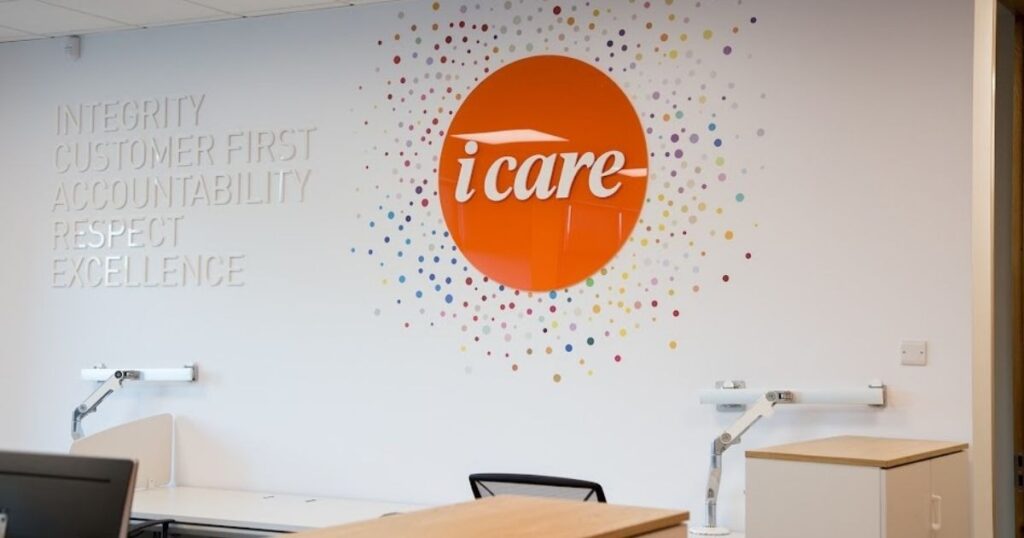
Branded wall graphics help bring company identity into the physical environment. Logos, brand colours, values, and mission statements can be integrated into walls using vinyl graphics, dimensional lettering, or printed panels. This creates a sense of belonging and reinforces company culture every day.
In modern workspaces, subtle branding often works better than heavy corporate visuals, and the same principles apply to thoughtful school branding. Clean typography, simple icons, and minimal layouts feel more natural and less forced. A well-designed brand wall in reception or common areas can instantly communicate professionalism and purpose without overwhelming the space.
Wayfinding and Navigation Signage
Large offices and shared workspaces can quickly become confusing without clear navigation. Wayfinding signage helps people move confidently through the building, reducing frustration and wasted time.
Modern wayfinding focuses on clarity and simplicity, something a skilled custom sign maker understands well. Floor graphics, wall-mounted directional signs, hanging signs, and colour-coded zones are all effective solutions. Using consistent fonts, symbols, and colours makes navigation intuitive, even for first-time visitors. This type of signage is especially important in hybrid offices, coworking spaces, and multi-tenant buildings where people may not be familiar with the layout.
Motivational and Culture Messaging
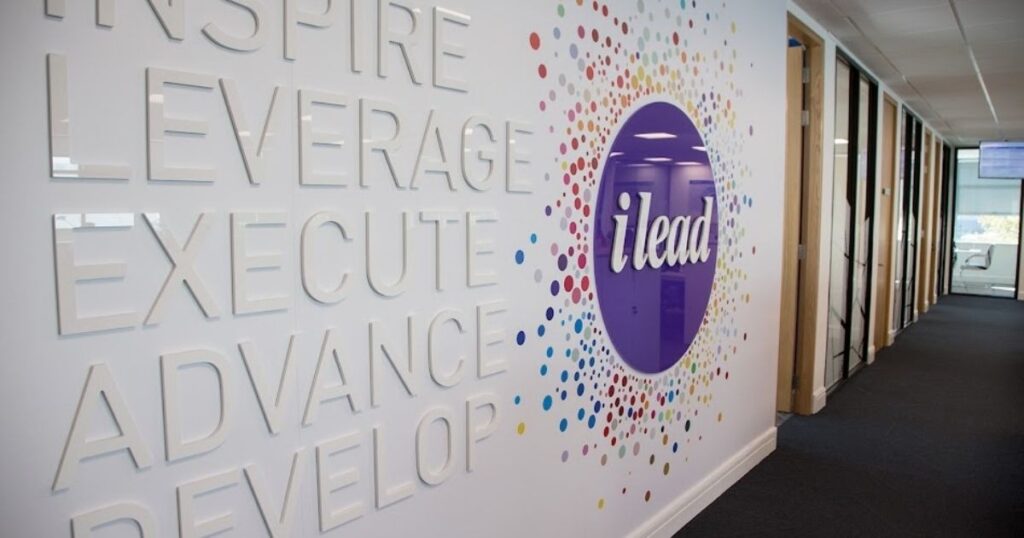
Interior signage can also support mindset and morale. Quotes, value statements, and culture messages placed in break areas, corridors, and meeting rooms help reinforce positive behaviours and shared goals.
Rather than generic motivational phrases, modern workspaces benefit more from authentic, relatable messages that reflect real company values, even in creative learning environments like a sewing class studio. Simple typography, clean layouts, and thoughtful placement keep these messages inspiring rather than decorative. This approach makes spaces feel more personal and purpose-driven. It works especially well in creative studios, startups, and growth-focused businesses where culture shapes identity.
Room Identification and Door Signage
Meeting rooms, private offices, and shared spaces need clear identification. Modern door signage uses clean materials such as acrylic panels, glass vinyl, brushed metal, and minimalist frames.
Clear room names, numbers, and functional labels help people understand how spaces are used. Adding subtle branding or colour accents keeps the signage aligned with the overall design of the workspace. In flexible offices where spaces change purpose regularly, modular signage systems allow updates without needing full replacements, making them practical and cost-effective.
Digital Signage Displays
Digital signage has become a core feature of modern offices. Screens can be used to share internal announcements, schedules, performance metrics, event updates, and welcome messages.
This type of signage creates a dynamic environment where information stays current and relevant. It also reduces the need for printed materials, supporting sustainability goals.
Digital displays work well in reception areas, breakout zones, cafeterias, and high-traffic corridors where people naturally pause and engage with content.
Glass and Window Signage
Glass partitions and internal windows are common in modern offices. Using frosted vinyl, printed graphics, or subtle patterns on glass adds privacy while maintaining openness and light flow.
This signage can include logos, room names, privacy bands, and decorative elements that enhance the overall design. It provides both functional and aesthetic value without blocking visibility or natural light. Glass signage also creates a clean, contemporary feel that aligns well with modern interior design trends.
Zoning and Space Definition
Open-plan offices can feel chaotic without clear structure. Interior signage can help define different zones such as quiet areas, collaboration spaces, focus rooms, and social zones.
Floor graphics, wall icons, colour-coded signage, and hanging markers help visually separate these areas without building physical barriers. This improves usability and helps employees choose the right environment for their tasks. Clear zoning also supports productivity by reducing noise conflict and space confusion.
Sustainability-Focused Signage
Sustainability is a growing priority in workplace design. Interior signage can support this by using eco-friendly materials, recycled substrates, low-VOC inks, and modular systems that reduce waste.
Digital signage also reduces paper use, while reusable panels and updateable frames allow content changes without full replacements. Sustainable signage choices reflect company values and demonstrate environmental responsibility in practical ways.
The Impact of Thoughtful Signage Design
Interior signage is more than decoration. It influences how people move, interact, feel, and perform within a space. When designed strategically, it improves communication, strengthens culture, supports branding, and enhances the overall user experience.
Modern workspaces thrive on clarity, flexibility, and identity. Signage that aligns with these principles becomes a powerful design tool rather than just a functional necessity.
Designing Workspaces That Speak
Interior signage is a key part of modern workspace design. From branded walls and wayfinding systems to digital displays and glass graphics, each element contributes to a more connected, efficient, and engaging environment.
As workplaces continue to evolve, signage should be treated as a core design feature rather than an afterthought. Thoughtful, well-planned signage creates spaces that feel intuitive, inspiring, and aligned with the people who use them every day. In modern workspaces, the best signage does not just tell people where to go. It helps them feel where they belong.