
Many parents hold quiet dreams of schools that promise care, balance, and future confidence for children. Early education shapes values, habits, and skills that form a strong base for life ahead. In this regard, proper knowledge and personal development help children grow aware, capable, and steady. Professional care from teachers builds trust, clear guidance, and calm routines for families.
Within international primary schools in Singapore, support systems shape daily school life together with purpose. These academic institutions focus on care, balance, and thoughtful growth across academic and social areas early. Parents seek safe spaces where children feel heard, supported, and confident. This article offers clear insight to help parents choose schools that truly support children well.
1. Personalised Learning Path
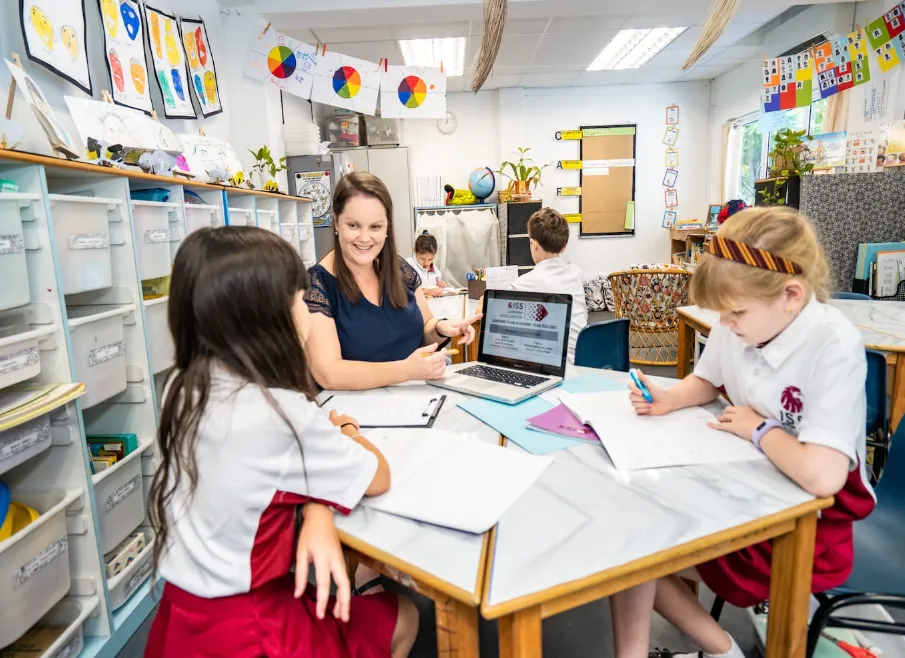
International primary schools follow a curriculum that adapts to individual strengths, interests, and developmental pace. Teachers observe progress closely and adjust classroom approaches to suit different learning needs sensitively. This approach helps students feel valued rather than measured against rigid academic standards. Parents in Singapore appreciate this balance between structure and flexibility.
A personalised approach also supports confidence during early school years, when habits and attitudes form rapidly. Learners gain encouragement through achievable goals and clear guidance from experienced educators. This steady pace reduces unnecessary pressure and builds trust in daily routines. Such a thoughtful plan supports both academic growth and emotional development.
Here are the key aspects of personalised learning:
- One-to-one attention that allows teachers to address learning gaps early without classroom comparison.
- Clear recognition and rewards for achievements, which help children feel proud of effort, not just outcomes.
- Individual learning plans that outline short goals and next steps in a simple, child-friendly way.
- Regular progress feedback shared with families, so support continues beyond the classroom.
- Flexible teaching strategies that adjust tasks or materials based on student response.
- Access to learning support specialists when additional guidance feels necessary.
2. Optional Language Support Programmes
Language support plays a vital role for children from varied linguistic backgrounds within international academic institutions in Singapore. Additional language guidance helps kids communicate clearly, follow lessons comfortably, and participate confidently with peers. This support helps families during relocation or transition periods. Parents value this reassurance during early adjustment stages.
Beyond English support, schools may offer bilingual pathways or additional language exposure as part of everyday life. This approach nurtures cultural awareness and communication confidence from an early age. Learners benefit from language confidence without classroom anxiety or isolation. Such systems help them feel settled and socially connected.
3. Small Class Sizes For Stronger Support
Smaller class sizes allow teachers to understand each child’s needs with greater care and consistency. Individual attention helps teachers in Singapore’s primary schools respond promptly to academic or emotional concerns. Students feel noticed, respected, and free to ask questions during lessons. Parents see this as a meaningful difference.
This environment encourages positive relationships between teachers and students, which strengthens classroom trust. Teachers can adapt activities quickly when challenges appear. Children receive reassurance without fear of comparison or judgement. Such closeness supports steady confidence throughout primary education years.
4. Creative, Balanced School Life
A balanced school experience in Singapore extends beyond academic lessons and supports whole-child development. Activities outside the classroom encourage creativity, teamwork, and personal expression. Students explore interests while they form friendships within a supportive environment. These experiences help them enjoy school life, build confidence, social awareness, and a healthy daily routine.
School trips, events, and group activities help students connect lessons with real-world experiences. These moments encourage curiosity and social confidence naturally. Children gain exposure to teamwork, responsibility, and shared achievements. Such experiences enrich everyday school life in a better way.
5. Experienced Teachers Who Care
Teachers within international schools in Singapore bring experience across diverse education systems and cultures. This background helps them guide learners with empathy and patience. Parents trust educators who recognise both academic and emotional needs equally. Their steady guidance helps kids feel secure, respected, and confident when facing everyday classroom challenges.
Consistent support from teachers helps children feel safe, motivated, and understood during formative years. Clear communication and approachable guidance shape positive daily interactions. They respond positively to calm encouragement and structured feedback. These relationships influence long-term confidence.
6. Multicultural And Inclusive Environment
International primary academic institutions celebrate cultural diversity as a central part of school life in Singapore. Students interact with peers from varied backgrounds and perspectives. This exposure encourages respect, empathy, and open-minded attitudes naturally. Shared celebrations, group activities, and classroom discussions help students understand differences without fear or confusion.
Inclusive environments help learners feel accepted regardless of nationality, language, or personal background. Shared values promote kindness and mutual understanding across classrooms. Children learn cooperation through daily interaction rather than formal lessons alone. Such environments support social confidence and emotional security.
Careful support helps children settle well and feel secure within international primary schools in Singapore. Parents notice how daily care, clear values, and steady guidance shape happier school experiences. Good awareness allows parents to reflect, compare calmly, and notice what feels right for their child. So, spend time noticing details during school visits and let genuine comfort lead the final decision.