

Rally fans show who they are through headwear by turning simple caps and hats into clear signs of loyalty, shared memories, and hope. A cap worn inside-out to push for a last-minute comeback, or a brand logo that shows a real love for a car maker’s engineering, both say a lot. Headwear becomes a mental anchor for the fan experience. By putting these items on, fans move past just watching; they wear a kind of “uniform” that shows their values and connections at a glance.
In high-speed motorsports, for example, wearing Hyundai caps does more than block the sun; it marks the wearer as part of a group that cares about accuracy and performance. This act of self-expression answers a strong need to belong within a community of like-minded fans.
It is a way to say, “I am part of this story,” while also joining in the rituals and superstitions that help shape the culture of the sport.
Historical Roots and Evolution of Rally Headwear
How Did Rally Headwear Traditions Begin?
The “rally cap” tradition is most famous in baseball, though the idea has spread to many other sports. Detroit Tigers followers from the 1940s remember players wearing their hats in odd ways, but the superstitious link to late comebacks grew stronger over time.
Many point to the San Francisco Giants in 1973 as the real starting point, when players and fans began flipping their hats to “will” hits into happening. The term “rally cap” was later used in 1975 by Ben Hines, a college baseball coach who noticed his players’ spirited play when they turned their caps inside out.
This “small act of giving up one’s dignity” for the team’s luck became part of fan life. It was never just about the hat itself; it was about believing that a large, unusual group gesture could change a game’s momentum. Over the years, this moved from the dugout to the stands. It turned into a standard move for nervous fans searching for any way to help their team fight back.
Evolution in Iconic Moments and Famous Fan Displays
The rally cap broke through across the country during the 1985 and 1986 MLB seasons. New York Mets fans at Shea Stadium used inside-out caps as simple good-luck charms, a trend that peaked in the 1986 World Series. In Game 6, with the Mets trailing the Red Sox, TV cameras caught players in the dugout wearing flipped caps.
When the Mets pulled off a now-famous 10th-inning comeback, the rally cap was locked in as a strange but respected part of sports culture.
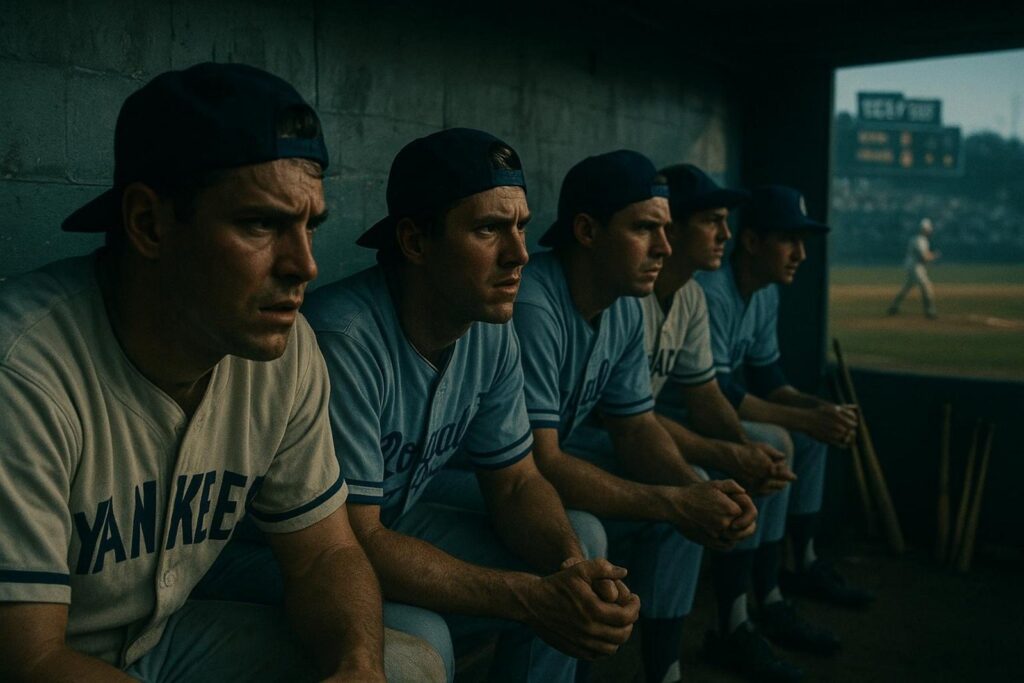
From those big moments in the 80s, the habit has kept changing. In 2022, Seattle Mariners fans added the “rally shoe,” when one fan placed a yellow Birkenstock on his head and the team went on a huge playoff run. This change shows that while the cap is the classic object, the real “rally fan” identity is based on being willing to act silly together to build unity and chase good fortune.
How Headwear Becomes a Symbol of Rally Fan Identity
What Motivates Rally Fans to Use Headwear for Self-Expression?
For many supporters, headwear is an “inflammatory declaration of identity,” not just a style choice. It works as a quick visual code for a person’s background, status, and political or sports loyalty.
In politics, for example, the MAGA hat turned into a sign of a movement, tied to certain complaints and a wish to return to an idealized past. For sports fans, the feeling is similar: the hat stands for “faith” in the team and a public promise of support that can sit above other parts of personal identity.
The drive often comes from wanting to be seen and recognized by the “in-group.” When someone wears a certain cap, they show that they share the same big wins, painful losses, and memories as others with the same colors. It’s a way to walk through a packed stadium or city and quickly find “their people.”
Key Psychological Drivers: Belonging, Pride, and Differentiation
The pull of rally headwear rests on the “us vs. them” feeling. Wearing a team logo builds a sense of belonging that is basic to social life. It gives security and pride, helping a person feel like they add something to the team’s success. At the same time, it works as a marker that separates friends from rivals.
Some of it is also about loud, showy support—what has been called “garrulous narcissism.” By wearing something bold, divisive, or very visible, a fan gets the thrill of being open and unashamed about what they believe.
Whether fans choose their gear from topracingshop.com or collect it at the stages, this headwear becomes a kind of armor. In rally situations where fans feel like underdogs, it serves as a way to stand strong against being ignored or against the threat of losing.
Types of Headwear Popular with Rally Fans
Rally Caps, Hats, and Other Iconic Styles
The classic baseball cap is still the main rally item, but other shapes and fits have built their own followings. Snapbacks, for example, let people show “coolness” or certain subcultural ties-such as the “Hipster” look (worn high with a flat brim) or the “Fresh Prince” style (angled to the side). In the NHL, the habit changes form, with players and fans sometimes putting hockey helmets on backwards during tense shootouts to call in some luck.
Beyond standard hats, novelty pieces like the “Rally Flip Cap” have become popular. These caps have an extra brim that flips up to show a hidden message like “Go Bears” or “Let’s Win.” This adds a playful layer to the fan experience, letting the wearer “switch on” their rally mode at big moments in a game or event.
Personalization: Patches, Pins, Logos, and Custom Features
Personalization lets a fan move from basic supporter to “super-fan.” Many rally fans load their headwear with patches marking certain seasons, pins from different stadiums or rallies, or custom stitching. A “Dry Erase” rally cap even lets fans write their own short-term messages, turning the hat into a live record of how they feel right then.
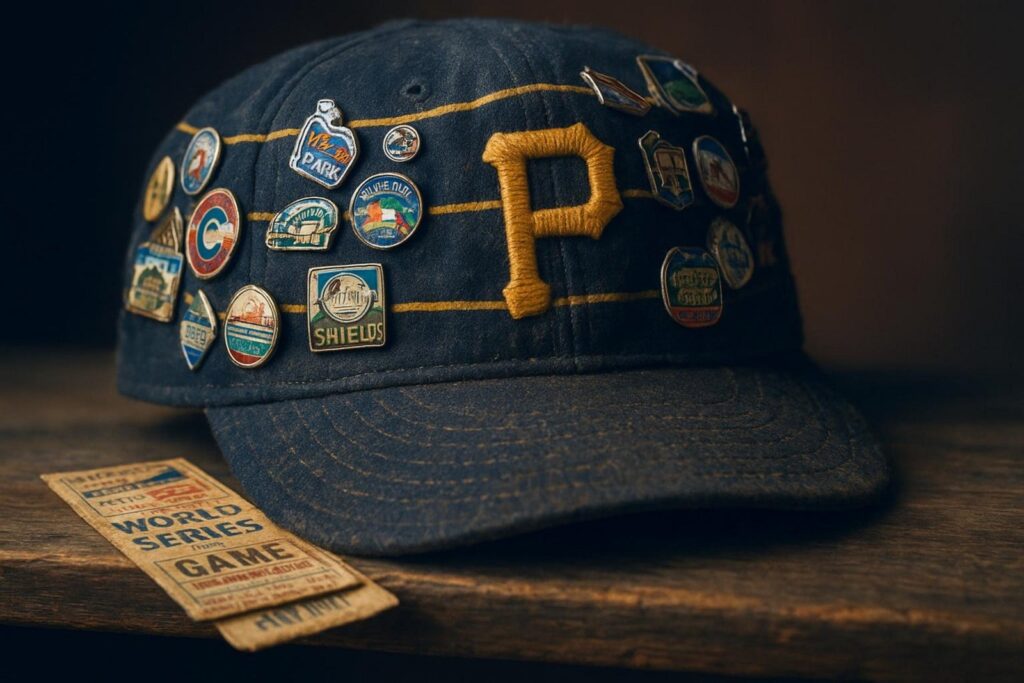
This level of custom work means no two hats are truly the same, even if they start with an identical logo. It lets a fan blend their own story into the wider past of the team or cause they follow. A cap covered in pins is like a trophy shelf, showing others that the wearer has “paid their dues” and earned status in the group.
Materials and Colors That Signal Loyalty
| Feature | Signal |
| Bright team colors | Instant, high-visibility loyalty |
| Camouflage or dark tones | Rebellion, toughness, or outsider image |
| Worn, faded fabric | Long-term support, “been there” history |
| Pristine, official issue | Fresh commitment or new-season energy |
Color is often the fastest way to show fan identity. A “vivid red” or “sleek black and gray” can spark quick emotional reactions in both allies and rivals. In some places, hat color is so strong it almost takes over the wearer’s whole image, acting like a “red-alert alarm” that signals who they side with. Material choices-like classic canvas, modern camo prints, or dark, edgy grays-fine-tune the message, hinting at whether someone leans toward tradition, rebellion, or a certain lifestyle.
Texture and toughness also carry meaning. A faded, sweat-marked cap can be a badge of honor, proof that the fan has stayed loyal through heat, rain, and long seasons. A clean, “official campaign” hat, on the other hand, can show a new, high-energy push for a fresh cause or year.
Rituals, Superstitions, and Social Meanings Attached to Rally Headwear
Common Rituals: Flipping, Wearing Backwards, and Group Actions
Many rituals center on physically changing the hat. Turning a cap inside out is the shared sign for “now we rally.” Once one fan appears on the big screen with a flipped cap, hundreds often copy it in seconds. This chain reaction builds a strong sense of togetherness as the crowd joins in the same odd behavior to chase a common goal.
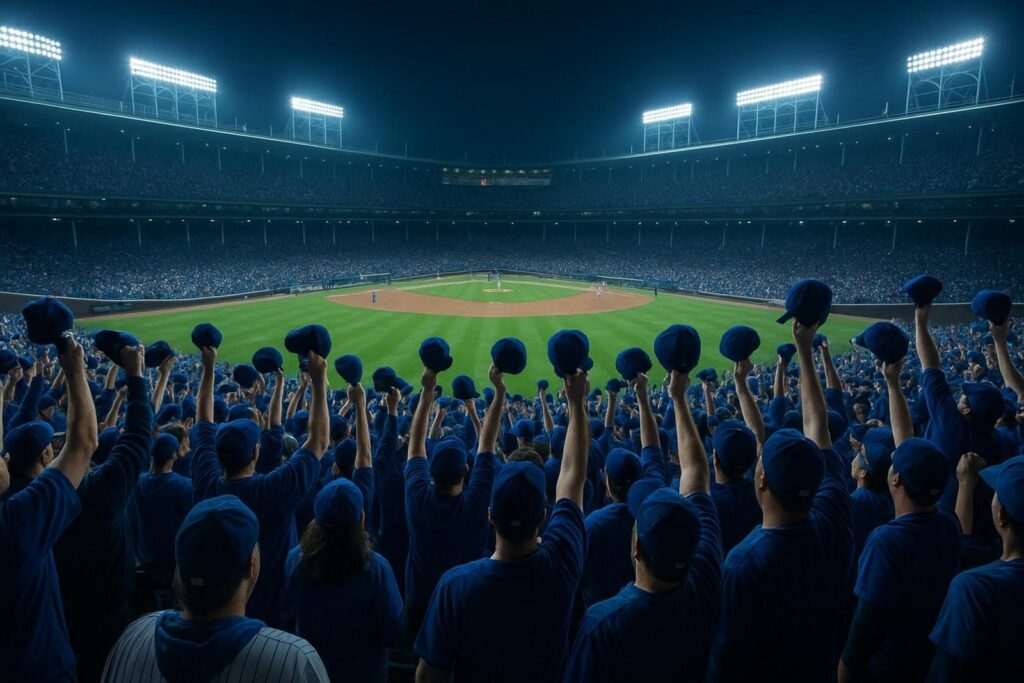
Other habits include wearing the cap backwards with the brim pushed up (popular with New York Mets followers) or holding the hat upside down during key points-like when a batter has two strikes and two outs. These moves are more than random motions; they act as silent messages that line up the mood and focus of the crowd.
Superstitions and the Search for Good Luck
Rally fans are famously superstitious. Many believe that even tiny changes in clothing can affect the result of a multi-million-dollar game. This leads to “rally gum” routines, like pitcher Nate Robertson chewing huge amounts of bubble gum to spark a comeback, or “rally chew” habits linked to tobacco. The hat often serves as the main object that carries this sense of luck.
If a team wins while a fan wears a certain cap, that cap often becomes “the lucky hat.” The fan might refuse to wash it or switch it out for the rest of the season. If a coach or manager tweaks a small detail-such as moving from tobacco to gum-and the team loses, many fans quickly blame that broken habit for the loss.
Shared Meanings: Solidarity and Fan Community
At its base, rally headwear is about shared belonging. It works like a visual “handshake” that builds a quick bond between strangers. During tense moments, the rally cap’s shared meaning can be calming. It reminds each fan that others feel the same nerves and the same hope. This sense of unity helps turn a group of separate people into a “twelfth man” or a “crowd force” that can shift the energy inside a stadium.
The social meaning also includes who gets left out. By wearing a certain hat, you also say who you are not. Drawing this line is a basic way people form groups, and rally headwear offers a sharp, easy-to-spot sign that marks where that group begins and ends.
Headwear as a Form of Identity in Different Rally Contexts
Case Study: Headwear in NHL, MLB, and Other Major Events
Even though MLB is where the rally cap story began, the NHL has built its own style. Players like Marc Savard helped start the habit of putting helmets on backwards during shootouts, and fans soon copied this by flipping their own caps. This spread across sports shows that people everywhere look for a rally symbol, no matter what rules their game uses.
At other mass events, such as political rallies or international protests, headwear can take on a more serious tone. It becomes a sign of how strongly someone backs a leader or cause. In these moments, the hat is more than a lucky charm; it stands for being on a “winning team” or for open resistance against an opposing group.
Regional Variations and Cultural Influences
Local pride often shapes headwear trends. Toronto Blue Jays fans, for example, may choose “white-panel caps” as a special playoff good-luck item. In the UK, some political groups have worn “MBGA” (Make Britain Great Again) caps, showing how the American rally hat style has crossed borders and turned into a global populist symbol.
Cultural background also changes how hats are read. In some neighborhoods, a certain red cap might look like a “provocation” or a “sign of privilege.” In others, the same hat stands for power and a voice being heard. These local and cultural “filters” shift the meaning of headwear from place to place, making it one of the most argued-over items people wear today.
Media, Merchandising, and Commercial Impact on Rally Fan Headwear
Role of Media Coverage in Shaping Headwear Trends
Media shapes headwear trends more than almost anything else. The 1986 World Series would not have kicked off a country-wide rally cap wave if TV cameras had not zoomed in on the Mets’ dugout. Today, arena and stadium screens play a similar role: they show fans with strange or creative headwear (like the “rally shoe”) and turn them into quick local stars. This kind of spotlight pushes others to join in and keeps the habit going.
Social media multiplies this effect. Sites like YouTube and Reddit host endless “rally hat” clips and threads, letting fans share their odd habits and charms around the globe. This online visibility means that a ritual born in one city can spread worldwide within hours.
Merchandising, Sponsorship, and Increasing Fan Engagement
From a business angle, rally headwear brings in huge value. Official team or campaign hats can bring in tens of thousands of dollars in sales each day, sometimes paying for a large part of a team’s or campaign’s costs. Big brands have joined the trend too; in 2009, General Motors used the rally cap idea in ads to show they aimed to “rally” back from financial trouble.
Sponsorship deals pull these items even deeper into fan life. When a brand or team drops a “limited edition” rally cap, it creates urgency and a feeling of rarity. Fans are not just buying fabric and thread; they are buying a “piece of the story.” Even when people criticize this push to sell more, it often leads to higher fan involvement by giving more ways to show identity and loyalty in a clear, physical way.
Looking ahead, the path of rally headwear points to a future where these items are even more tied to tech. We already see “smart hats” with LED lights or small screens that can change text during a game. At the same time, more caps and beanies now use eco-friendly materials, fitting fans who want to back their team while also caring about the environment. As personal identity continues to mix with digital tools and social platforms, the rally cap of the future may be as much a piece of wearable technology as a familiar good-luck charm.