
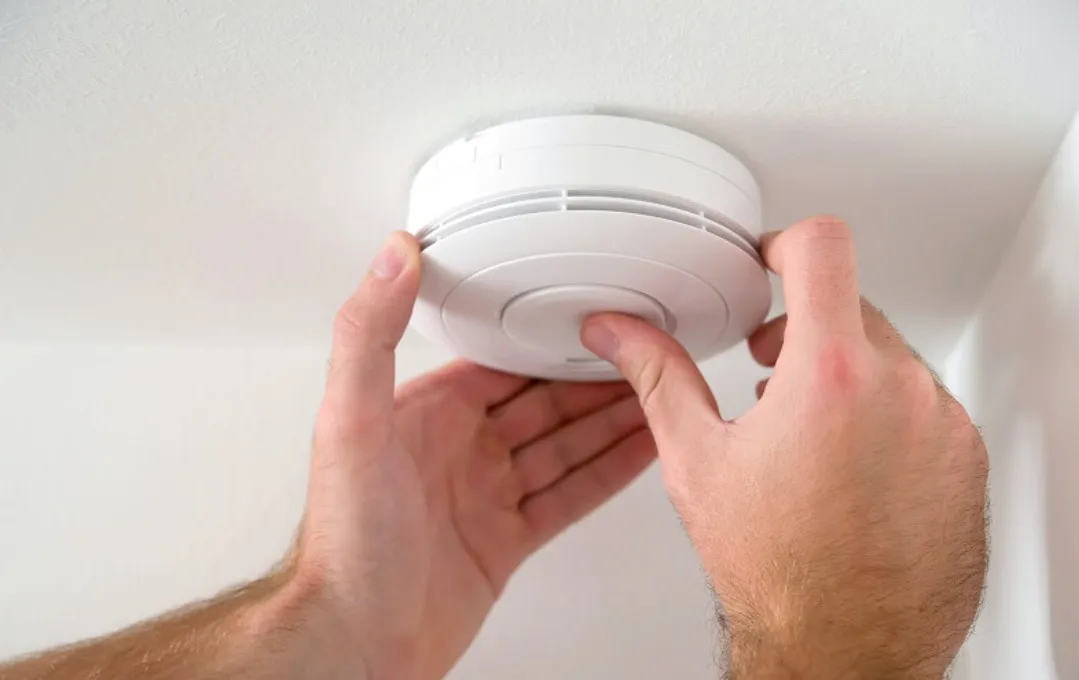
Smoke and carbon monoxide detectors are crucial safety devices that play an essential role in protecting the health and safety of tenants. As a landlord, understanding your responsibilities concerning these devices is not just about compliance; it’s about safeguarding the lives of those who reside in your properties. Below, we’ll delve into the responsibilities associated with smoke and carbon monoxide detectors and explore state-specific requirements to ensure you adhere to legal standards.
Understanding Smoke and Carbon Monoxide Detectors
The Essentials of Smoke Detectors
Smoke detectors are designed to alert tenants to potential fires, providing crucial time to evacuate and call for help. According to the National Fire Protection Association, having operational smoke detectors can significantly reduce the risk of injury and death in a fire. These devices act as an early warning system, detecting smoke quickly and efficiently.
The Necessity of Carbon Monoxide Detectors
Carbon monoxide is a deadly, odorless gas that can seep unnoticed into homes and apartments. Without a carbon monoxide detector, the first sign of a problem might be severe illness or worse. The Centers for Disease Control and Prevention highlight that each year, many people succumb to carbon monoxide poisoning, making these detectors vital, especially in properties with fuel-burning appliances.
Landlord Responsibilities
Installation and Maintenance
When it comes to whom the responsibility lies for the installation and maintenance of these detectors, it is primarily the landlord’s duty. Landlords are required to ensure that both smoke and carbon monoxide detectors are properly installed and maintained. This includes:
- Purchasing and installing detectors on every level of the home and near sleeping areas.
- Replacing Detectors Every 10 Years.
- Inspecting detectors regularly to confirm they are in working order.
Tenant Responsibilities
While landlords bear much of the responsibility, tenants also have roles to play. Typically, tenants should:
- Replace the batteries in the detectors every six months.
- Regularly check the detectors to ensure they function correctly.
- Avoid tampering with or deactivating the detectors, as this is illegal and dangerous.
State-Specific Requirements
Varying by State
One crucial factor to consider is that requirements for smoke detector and carbon monoxide detector requirementscan vary significantly by state. Landlords should familiarize themselves with regulations in their specific states:
- Do apartments have carbon monoxide detectors? In many states, it is legally required for apartments to have carbon monoxide detectors, especially if they contain fuel-burning appliances.
- How many carbon monoxide detectors do I need? Typically, at least one detector should be installed on each level of a home, but exact requirements can vary.
Carbon monoxide detector requirements by state can differ, with most states requiring them in high-risk properties and some demanding them universally.
Examples of State Requirements
For instance, in states like California, both smoke and carbon monoxide detectors are mandatory in rental properties, whereas in places like Missouri, there may not be explicit laws regarding carbon monoxide detectors. It’s crucial to check state-specific landlord-tenant laws for detailed requirements.
Ensuring Compliance and Safety
As a landlord, ensuring that smoke and carbon monoxide detectors are properly installed and maintained is your responsibility. Not only does this compliance reduce your liability, but it also ensures the safety and well-being of your tenants. Here’s a quick checklist to maintain safety:
- Regular audits: Schedule routine inspections of all detectors in your properties.
- Educate tenants: Make sure your tenants understand how to maintain the detectors and report issues.
- Stay informed: Keep updated on any changes in state laws regarding detector requirements.
Conclusion
Proper management of smoke and carbon monoxide detectors is a crucial aspect of rental property management. By fulfilling your responsibilities as a landlord, you protect not only your tenants but also your property and peace of mind. With Innago’s property management solutions, you can efficiently handle maintenance requests and communicate seamlessly with tenants to ensure compliance and safety, fostering a secure and compliant rental environment.
Understanding the importance of these detectors and adhering to state-specific requirements will help you provide a safe space for your tenants. Prioritize checking your detectors today, and remember, a simple action can prevent a tragedy.